Age-Related Changes in Sweet Taste Perception and Intake
Evidence-based exploration of lifespan changes in taste and food preferences
Overview
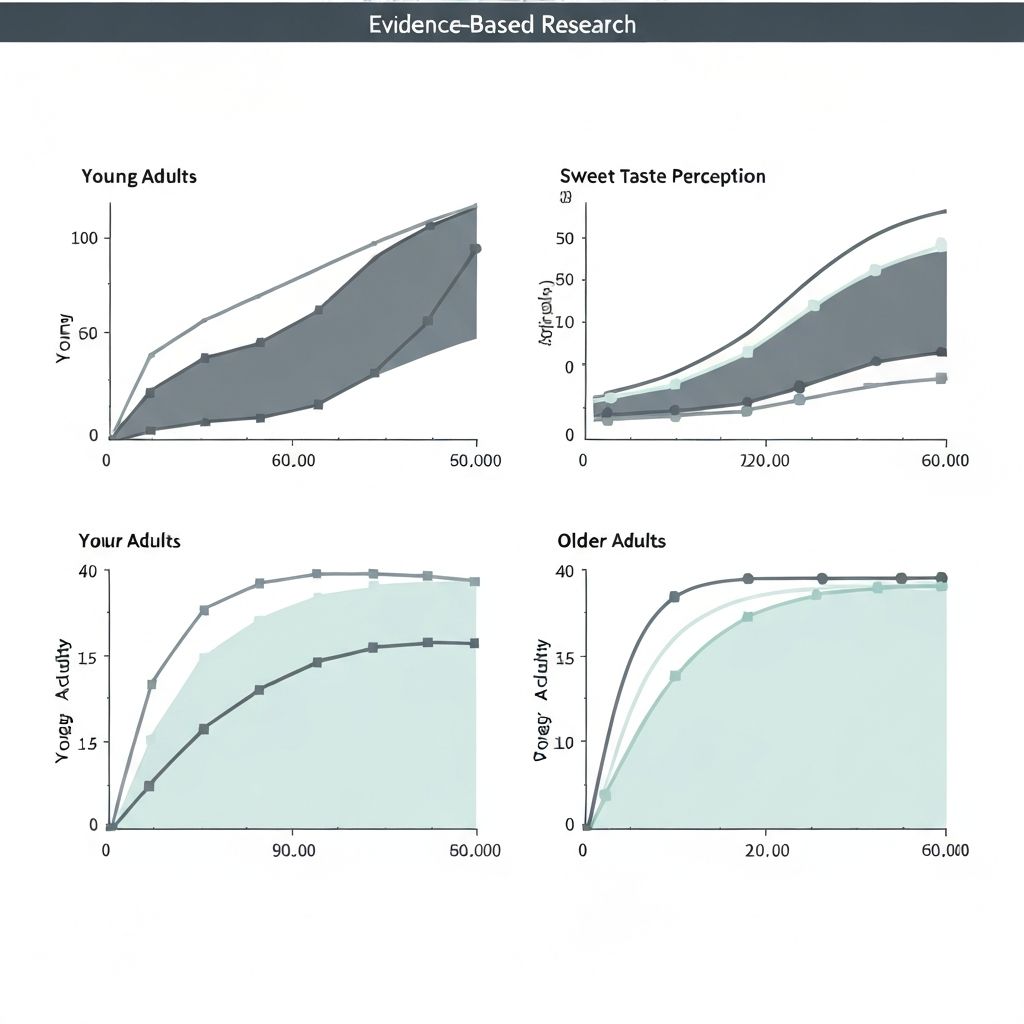
Sweet taste perception and food preferences change across the human lifespan. These changes reflect age-related alterations in taste receptor sensitivity, neurobiological reward system function, and the cumulative effects of dietary experiences. Understanding age-related patterns in taste and food preference provides insight into how craving and appetite regulation evolve with age.
Age-Related Changes in Taste Receptor Sensitivity
Research indicates that taste receptor sensitivity—the ability to detect and discriminate taste stimuli—changes with advancing age:
- Declining sensitivity: Older adults often show reduced sensitivity to sweet taste compared to younger individuals, requiring higher sugar concentrations to achieve similar perceived sweetness
- Taste receptor changes: Age-related changes in taste buds and chemoreceptors may contribute to altered taste perception
- Gustatory system aging: Changes in neural processing of taste signals in the brain also contribute to altered perception
These changes have practical implications: older adults may prefer sweeter foods to achieve the same level of perceived sweetness as younger individuals.
Chronic High-Sugar Intake and Taste Adaptation
Beyond age-related physiological changes, habitual dietary patterns also influence taste perception. Prolonged consumption of high-sugar foods leads to taste adaptation—a reduction in sensitivity to sweet taste.
Mechanisms of adaptation include:
- Receptor desensitization: Repeated exposure to high sugar concentrations can reduce taste receptor responsiveness
- Neural adaptation: Central nervous system processing of taste signals may shift with chronic exposure to high-sugar foods
- Increased preference threshold: Individuals with chronic high-sugar intake require higher sugar concentrations to perceive foods as adequately sweet
This adaptation can create a cycle in which greater sugar intake is needed to achieve similar taste satisfaction, effectively intensifying preference for highly sweetened foods.
Sweet Taste Preference Across the Lifespan
Research on taste preferences reveals lifespan patterns:
- Childhood: Children typically show high preference for sweet taste, though preferences can vary
- Adolescence and early adulthood: Sweet preference remains relatively high, though may begin to diversify
- Middle adulthood: Sweet preference may begin to decline or shift toward preference for less intense sweetness
- Older adulthood: Some decline in sweet preference, though this varies substantially and may be influenced by health status and dietary history
These patterns are not universal; substantial individual variation exists based on genetics, early food experiences, cultural factors, and dietary habits.
Neurobiological Changes in Reward Sensitivity
Age-related changes in taste perception are accompanied by changes in neural reward processing:
- Dopamine system aging: Dopamine receptor density and dopamine production decline with age, potentially reducing reward sensitivity
- Altered reward circuit function: Changes in prefrontal-striatal connectivity may influence reward-based decision-making
- Modulation of hedonic responses: The subjective pleasure derived from sweet taste may change with age-related alterations in reward neurobiology
Early Food Experiences and Long-Term Preferences
Early exposure to high-sugar foods appears to establish long-term taste preferences and reward system expectations. Individuals with childhood exposure to highly sweetened foods often maintain higher preferences for sweet-tasting foods into adulthood, reflecting persistent neurobiological adaptations.
This demonstrates the importance of understanding how early dietary environments "program" reward system responsiveness and taste preferences across the lifespan.
Individual Variation and Health Status
Important to recognize: substantial individual variation exists in age-related changes in taste and preference. Factors influencing this variation include:
- Genetic factors affecting taste receptor function
- Dietary history and habitual sugar intake
- Health status and medication use (which can affect taste)
- Neurological health and age-related cognitive changes
- Cultural and social factors influencing food preferences
Evidence from Research
Research findings include:
- Older adults show reduced sensitivity to sweet taste and require higher sugar concentrations for taste discrimination
- Chronic high-sugar intake is associated with reduced sweet taste sensitivity
- Early dietary exposure to high-sugar foods predicts later sweet preference
- Age-related decline in dopamine receptor availability correlates with reduced reward sensitivity
Implications for Understanding Craving
Age and dietary history profoundly influence sweet taste perception and craving. The combination of age-related physiological changes and the cumulative effects of dietary experiences creates substantially different craving and preference profiles across individuals of different ages and with different dietary histories.
Educational content only. No promises of outcomes. This material describes observed patterns in taste and preference changes across the lifespan and does not constitute personal or medical advice. Individual variation in these processes is substantial. Consult qualified professionals regarding personal taste or appetite concerns.
Return to research articles:
← Back to Research Articles