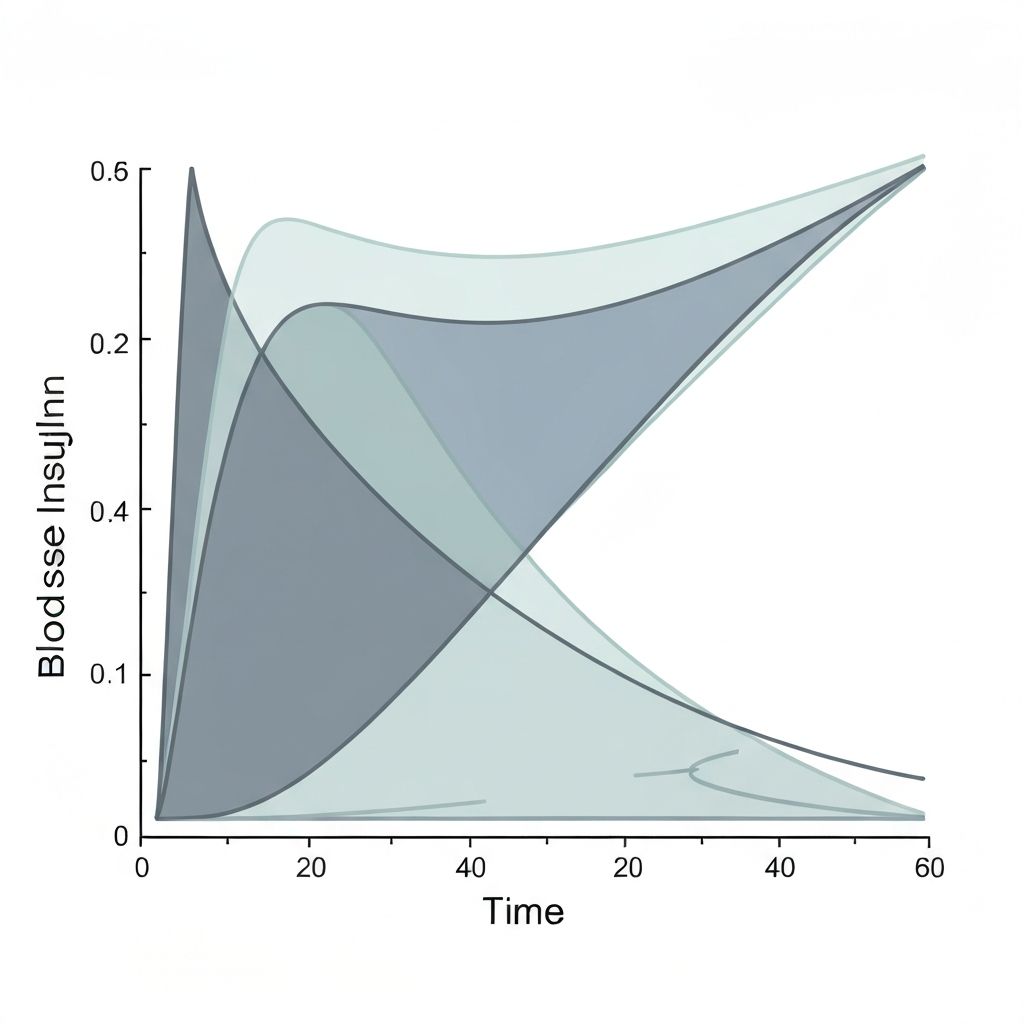
Postprandial Glucose and Insulin Dynamics in Craving Cycles
Evidence-based exploration of metabolic influences on craving
Overview
The consumption of high-glycemic carbohydrates—particularly simple sugars—triggers characteristic patterns of blood glucose and insulin fluctuation. These metabolic changes have downstream effects on hunger signals, energy availability, and craving intensity. Understanding postprandial dynamics (the metabolic changes following food consumption) provides insight into one pathway through which diet can influence craving responses.
The Postprandial Glucose Response
Following consumption of high-glycemic carbohydrates, blood glucose rises rapidly:
- Rapid elevation: Blood glucose can rise significantly within 15–30 minutes of consumption
- Peak level: The magnitude of the rise depends on the glycemic index of the food, portion size, and individual metabolic factors
- Subsequent decline: As insulin secretion increases, glucose is transported into cells, causing blood glucose to decline
This rapid rise in blood glucose is detected by glucose-sensing cells in the brain and peripheral tissues, triggering metabolic and hormonal responses designed to restore glucose homeostasis.
Insulin Secretion and Glucose Uptake
In response to elevated blood glucose, the pancreas secretes insulin, a hormone that facilitates glucose uptake into cells. Insulin allows cells to:
- Take up glucose for energy production
- Store glucose as glycogen in muscles and liver
- Convert excess glucose to fat for storage
The magnitude and duration of insulin secretion depend on the glycemic load of consumed carbohydrates and individual insulin sensitivity. Higher-glycemic foods trigger larger and more prolonged insulin responses.
The Glucose Rebound and Reactive Hunger
Following the initial glucose rise and insulin secretion, blood glucose typically declines as glucose is cleared from the bloodstream. In some individuals, particularly those who consume high-glycemic foods, glucose can decline below baseline levels—a phenomenon termed reactive hypoglycaemia.
This decline in glucose triggers:
- Increased hunger signals from the hypothalamus
- Enhanced ghrelin (hunger hormone) secretion
- Sensations of fatigue and reduced energy
- Renewed craving for energy-rich foods, often sweets
This rebound effect can create a cycle in which consumption of high-glycemic foods leads to rapid glucose elevation, followed by rebound hunger and intense craving for more high-glycemic foods to restore energy sensation.
Hormonal Signalling During Glucose Fluctuations
Beyond insulin, multiple hormones are affected by glucose dynamics:
- Glucagon: Released when blood glucose drops, signalling the need to mobilize energy stores
- Cortisol: Can increase during reactive hypoglycaemia, adding stress-related hunger signals
- Ghrelin: Increases in response to dropping glucose, intensifying hunger and craving
- Leptin: Chronic glucose fluctuations may interfere with normal leptin signalling, reducing satiety signals
Individual Variation in Glucose Response
Important to recognize: the magnitude and pattern of glucose response varies substantially between individuals based on:
- Genetic factors affecting glucose metabolism
- Insulin sensitivity (influenced by body composition, physical activity, and metabolic health)
- Gut microbiota composition
- Individual circadian rhythms
- Prior meal composition and timing
Some individuals show pronounced glucose fluctuations and reactive hunger, while others maintain more stable glucose levels. These differences influence individual susceptibility to craving cycles driven by glucose dynamics.
Evidence from Research
Research findings include:
- High-glycemic foods produce larger and more rapid glucose spikes compared to low-glycemic alternatives
- Greater glucose fluctuations correlate with more intense hunger and craving responses
- Reactive hypoglycaemia is associated with increased preference for sweet, high-energy foods
- Continuous glucose monitoring studies show substantial individual variation in postprandial glucose responses
Implications for Understanding Craving Cycles
The glucose-insulin-craving cycle illustrates how dietary composition can influence appetite and craving intensity through metabolic mechanisms. The rapid glucose elevation and subsequent rebound create a physiological driver for renewed food-seeking, particularly for foods that provide quick energy (typically high-glycemic foods).
Educational content only. No promises of outcomes. This material describes observed metabolic patterns and does not constitute medical or personal advice. Individual metabolic responses vary substantially. Consult qualified healthcare providers regarding personal metabolic concerns.
Return to research articles:
← Back to Research Articles